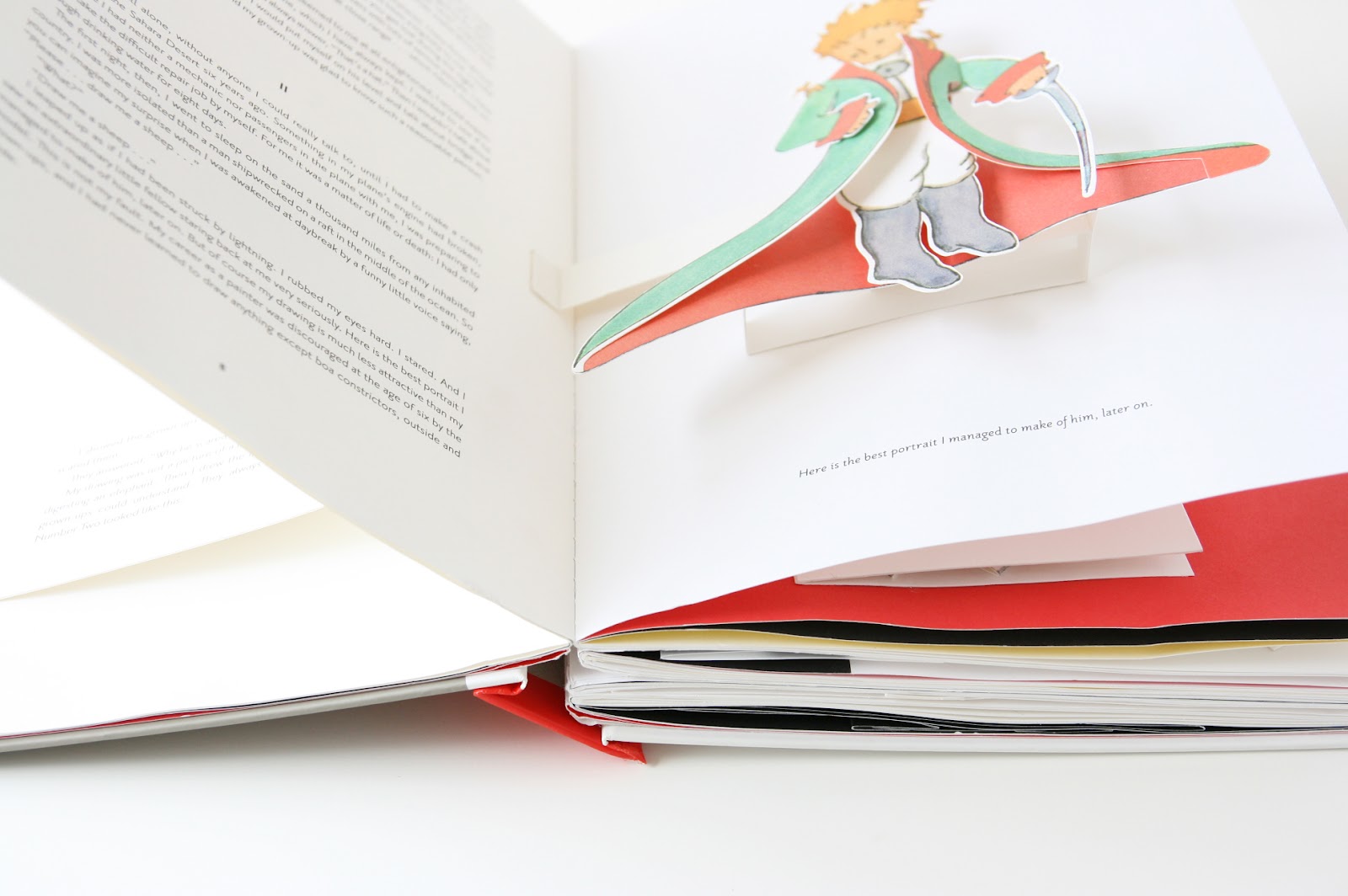
I was sorting through some boxes recently when I found my favorite books from childhood. Of course, I had to sit down and read all of them then and there.
Even as an adult, these books still resonate with me.
My favorite books stuck with me after all these years because they did something meaningful the first time I read them: they delighted me. (There were many other books that were beautifully told and illustrated, but they didn’t create that same sense of delight, and I’ve long forgotten them).
What, exactly, made these books so delightful? Here’s a breakdown:
The Jolly Postman
by Allan Ahlberg (author) & Janet Ahlberg (illustrator)
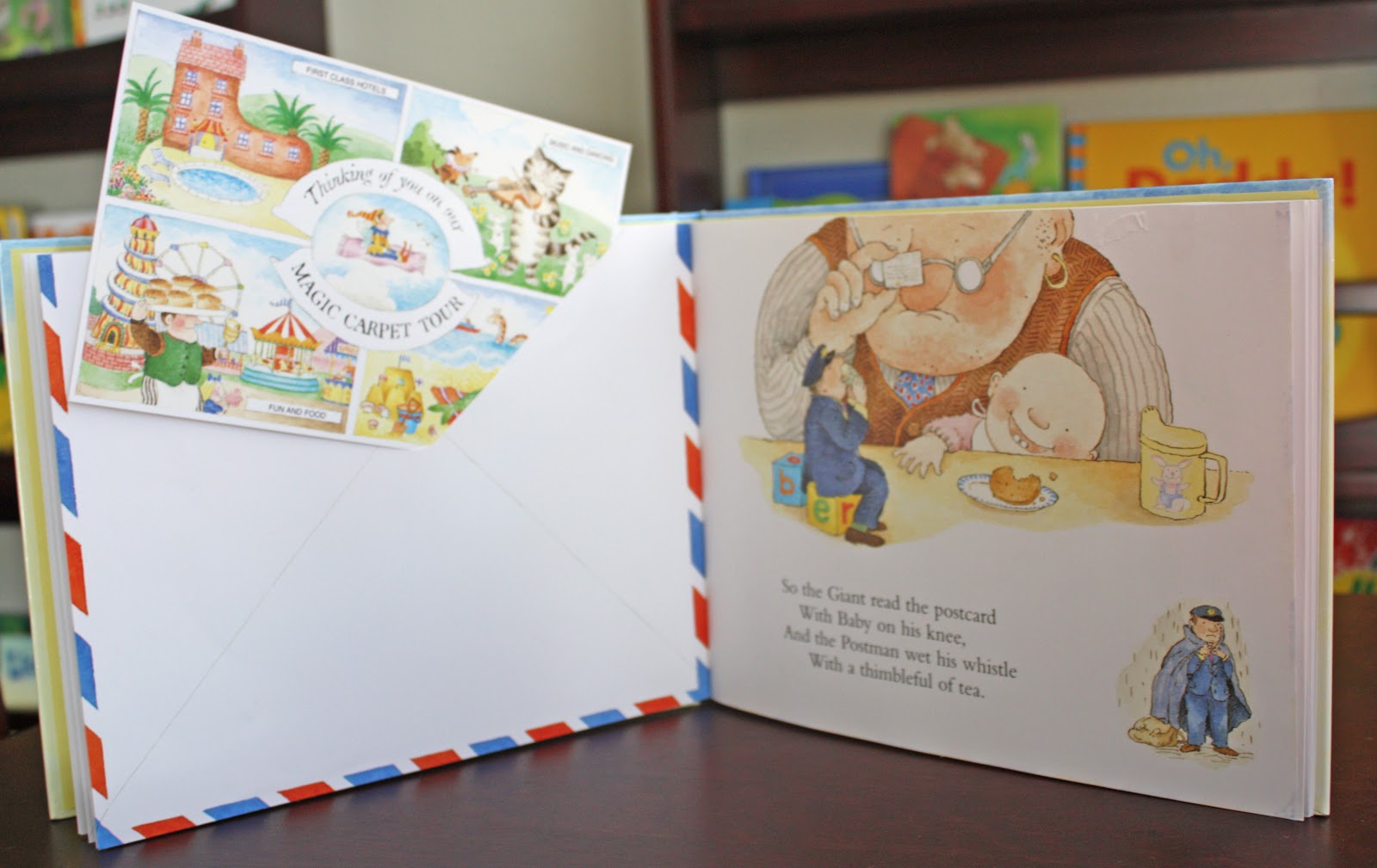
Each page holds a different letter from the mailman’s satchel. These aren’t mere illustrations: these are all real envelopes with folded letters inside. There’s a sense of discovery on every page.
Best of all, the letters are all different from each other: some are typed, some picture drawings, some handwritten. The element of surprise is maintained throughout the book by making each letter unique, and opening the letters and touching the paper is a highly tactile endeavor.
Why it delights: Tactile; surprise elements; allows exploration
Where’s Waldo?
by Martin Handford
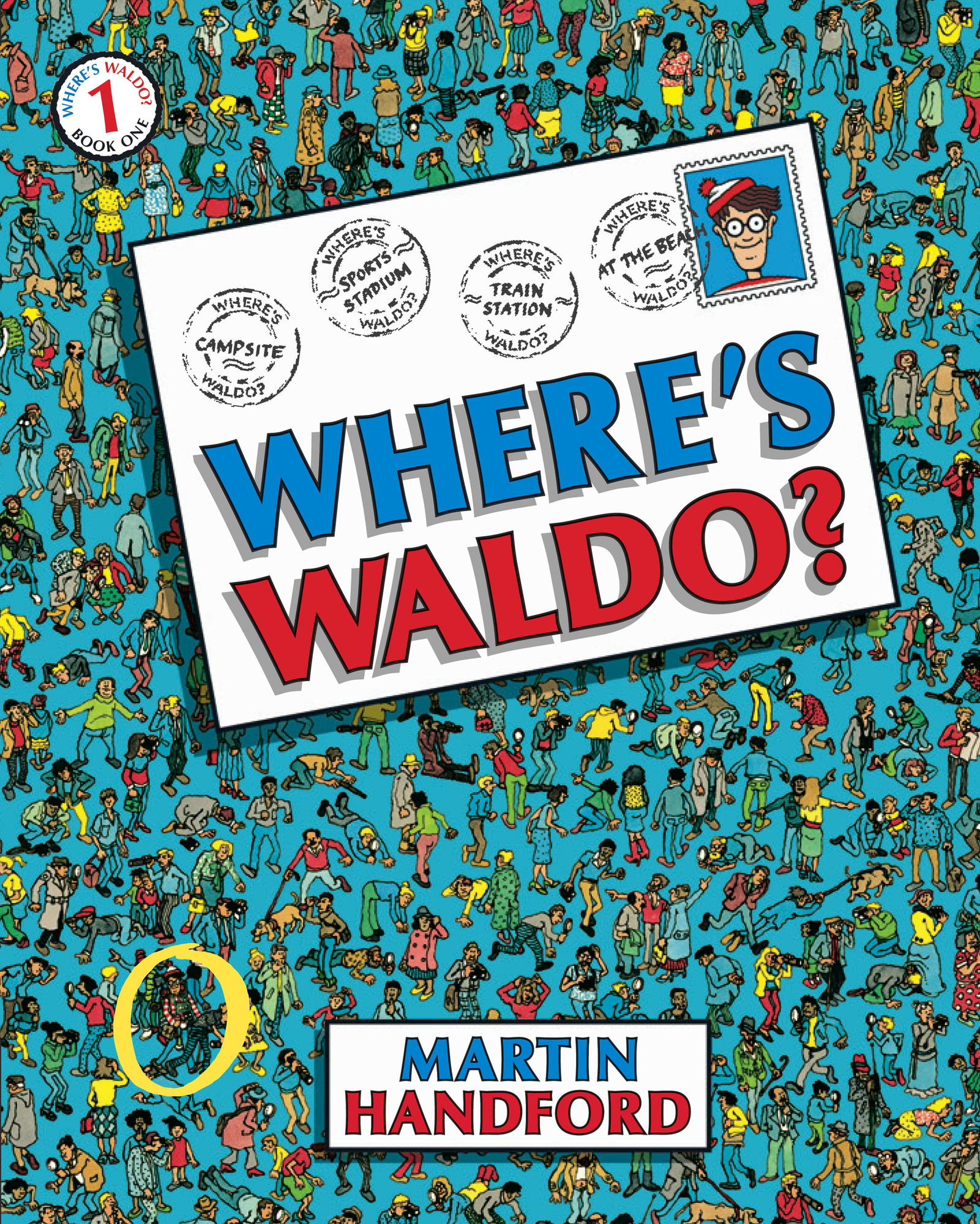
Of course, finding Waldo is the name of the game here. But the best part is the incredible level of detail in the illustrations. Every inch of the page is brimming with action. There are also humorous details tucked away in the illustrations that you feel like you’re in on a good joke.
Martin Handford’s illustrations are also consistent. The reader knows they have a single task (find Waldo and his dog Woof), and the same basic setup (busy background full of lookalikes) doesn’t deviate from this. Kids trust there won’t be any tricks; Waldo’s in there somewhere. Hence, the search for Waldo holds a kid’s attention span far beyond what their teachers thought possible.
Why it delights: Exploration; surprise elements; hidden jokes
Busy, Busy Town
by Richard Scarry
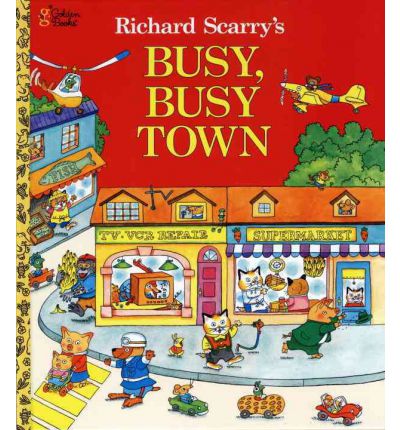
Really, any of Richard Scarry’s books are worthy of mention. For the same reason that Where’s Waldo? is so delightful, Richard Scarry books also have little surprises hidden away in the drawings. Furthermore, each page is bustling with multiple characters engaging in different activities. As a kid, you knew that a few background animals hadn’t been copied over and over again. Nope, you had to scope out each and every animal just to make sure you didn’t miss some interesting detail.
Other books that I recommend: The True Story of the 3 Little Pigs, The Magic School Bus, The Best Little Monkeys in the World, and the Zodiac Bears series (out of print as of this writing).
Why it delights: Exploration; surprise elements
The Runaway Bunny
by Margaret Wise Brown (author) & Clement Hurd (illustrator)
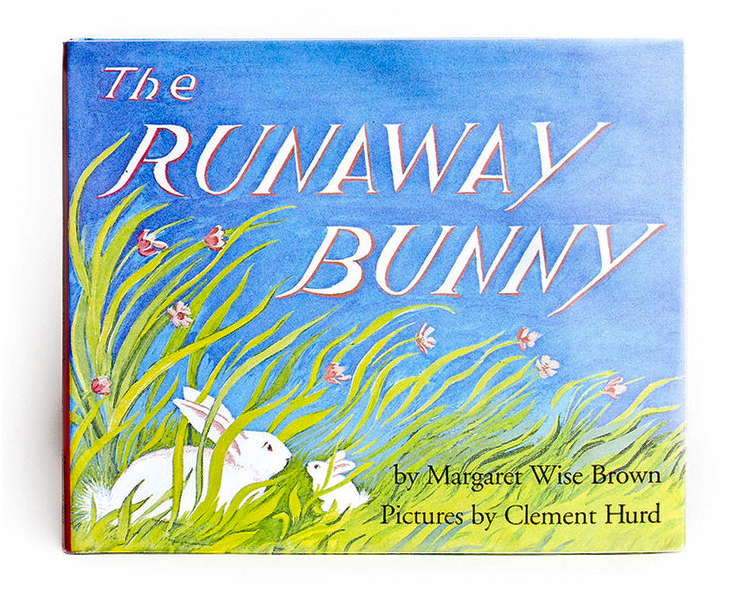
Margaret Wise Brown understood her audience’s train of thoughts. Her writing mimics a kid’s natural tendency to ask, “But what if this happened? Then what?” She beautifully anticipates the wonderful, whimsical logic of a child’s mind.
Furthermore, this book creates a world of endless possibilities. The entire storyline builds upon this: “If you become a sailboat and sail away from me,” said his mother, “I will become the wind and blow you where I want you to go.” The mother bunny doesn’t dismiss her child’s notions of transforming into a sailboat, rock, or fish. She seriously entertains each of his questions.
Similar books that I also loved are the If You Give a Mouse a Cookie series, Guess How Much I Love You, and Harold and the Purple Crayon (highly, highly recommend that one).
Why it delights: Similarity to child’s thought process; fantastically imaginative
The Sweet Smell of Christmas
by Patricia Scarry (author) & J.P. Miller (illustrator)
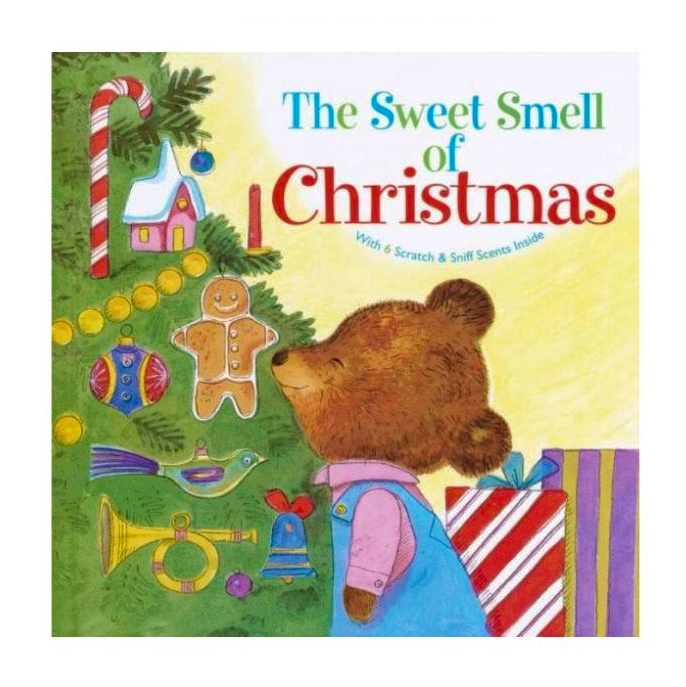
A scratch ‘n sniff classic. J.P. Miller’s illustrations take us through a young bear’s olfactory experience as Christmas approaches. He encounters a freshly-baked apple pie, peppermint candy canes, and that lovely pine aroma of a real Christmas tree. Side note: is there anything greater than scratch ‘n sniff? It seems to be one of the few things that ipads just can’t replicate (yet).
This book has it all: there’s the tactile element of activating the scent, the sensory element (olfaction), and the element of surprise (first-time readers quickly realize there’s a new scent on the next page—wonder what it’ll be?!). Another fabulous scratch ‘n sniff book is Little Bunny Follows his Nose (sadly out of print as of this writing).
Why it delights: Olfactory stimulation; tactile; surprise elements
The Takeaway
Children’s book authors & illustrators know their audience well. They understand that kids love exploration, surprises, and sensory stimulation (olfaction, touch, and vision). They recognize that kids are developing a sense of humor as well.
Their work compels you to turn the page to see what happens after the mouse drinks his milk; they make you spend just a few more minutes on page 4 because you’re pretty sure that Waldo’s near the pyramid.
It’s harder to apply these lessons to UX and interaction design: after all, children are experiencing the world as something mysterious, exciting, and absolutely limitless. It’s quite easy to delight them. Much harder to create an interactive experience for tired adults who just want to check in for their flight.
So maybe the key to delight is to transport them back to childhood. If even for a nanosecond.
***
Lead photo from the pop-up edition of The Little Prince by Antoine de St.-Exupéry. It’s not included in the list because I didn’t read it as a child. Still, The Little Prince will change your world. If you haven’t done so, read it! If you read it for high school French class, reread it in your native language. It’s life-changing. (photo courtesy of stephmodo.com)
 Warm Design