
Signing out of gmail is getting harder to do these days.
While checking my gmail recently, a friend called, asking for my opinion on her website bio. We were still chatting as I attempted to log out of my email. After several seconds of fruitlessly trying to find the signout link, I realized how hidden the signout button was. Signing out is a pretty important action for users. What gives?
Once a user has logged into their account,
the most important call to action is a log OUT button.
Google’s last redesign of gmail altered the button’s location and visibility, and, like most users, I eventually adapted to the change. But obviously the redesign wasn’t intuitive, as demonstrated in my moment of automatic processing. Several seconds and clicks later (eons in UX time), I was finally able to log out and proceed to my friend’s site. Absurd.
There are some clear UX issues when it comes to logging out of gmail:
Where’s the button?
Gmail has eliminated the static logout button at the top of the page and has hidden it in a dropdown menu. The problem with this is there are several dropdown menus that could theoretically house the logout feature.


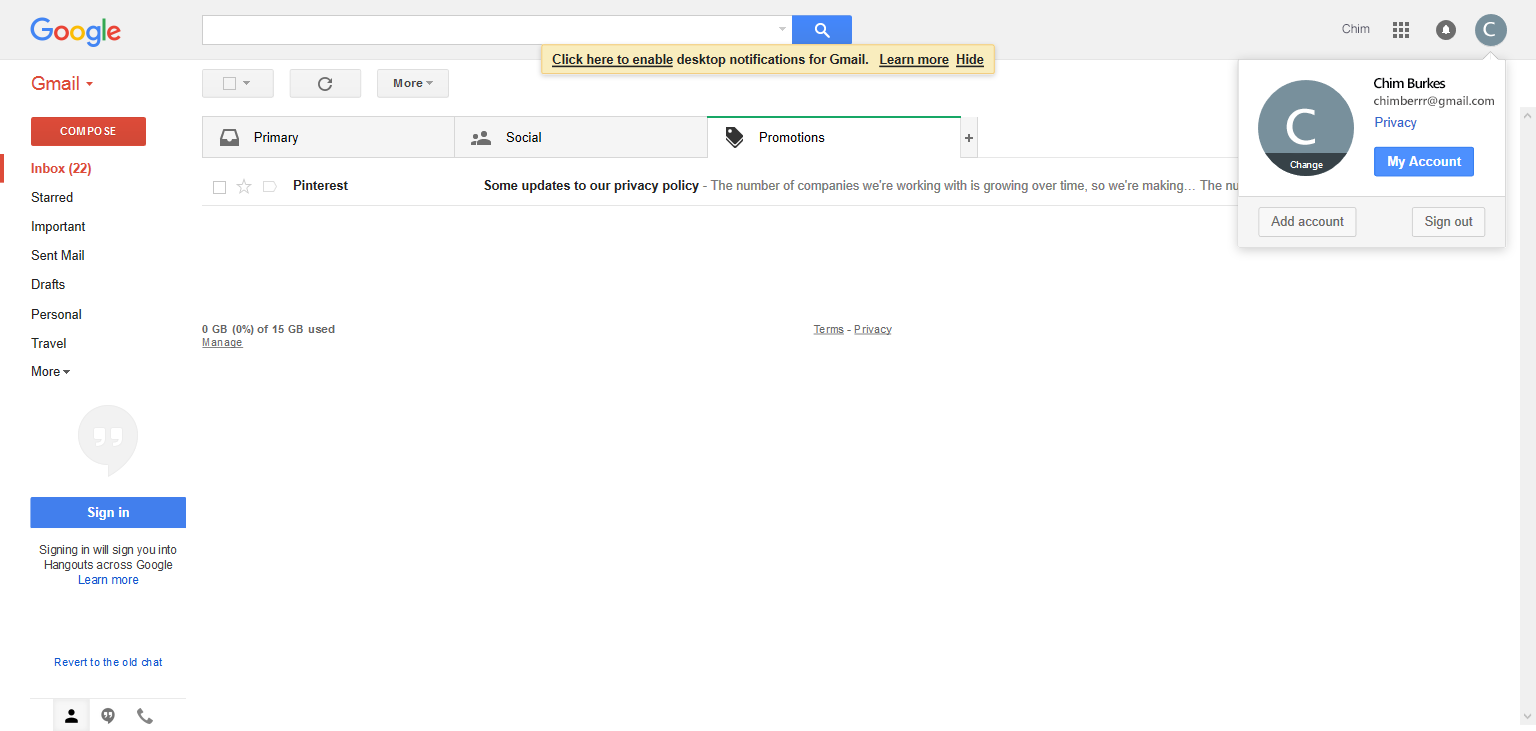
Multiple attempts to find it show just how thoughtlessly placed it is.
My suggestion: create an obvious signout button that’s fixed to the top of the page, not concealed in one of several dropdown menus.
There should always be a static signout button at the top of every page.
That pesky little checkmark
Furthermore, the default setting when you sign into gmail is “Keep me logged in.” That little box has already been ticked for you. If you don’t want to remain signed in as you peruse the web, you have to take the extra step to uncheck this box. So, let’s recap: if you want a modicum of privacy, you have to take 2+ extra steps:
- Uncheck the little box so you’re not signed in indefinitely (even after your current browsing session ends),
- Search far and wide for the signout button that gmail has deftly hidden (multiple steps if you don’t locate it on your first guess).
At the very least, gmail should make the default option unchecked, because the user will remain signed in anyway if they simultaneously browse the web.
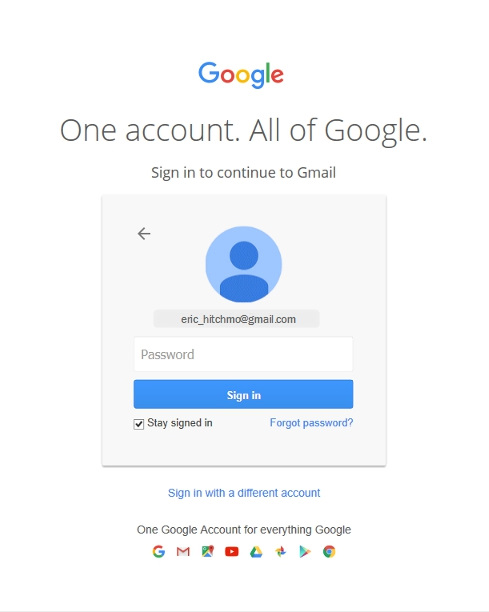
Inaction on the user’s part means that they won’t be logged out—so why would gmail make it doubly hard on users who want to end their session, and likewise, redundantly heap convenience on users who don’t value their privacy?
A possible explanation
Let’s give Google the benefit of the doubt. Could this be a careless oversight? (Unlikely, considering their mostly-excellent UX). Or do they regard it as a noncritical feature? If so, this begs the question: for a company who strives to protect users’ privacy, why would they assume that users don’t want to log out?
The only logical explanation is that Google wants its users to browse the web while signed in. This would provide lots of valuable information for interested (paying) third parties.
Lest you think I have it in for gmail (on the contrary, I’m quite a fan, especially of Google Labs), Facebook and Pinterest are just as guilty of obscuring their logout buttons. Amazon, too, once had the murkiest signout verbiage on the planet with their “Not Thomas? Sign in here” link. (To be fair, even in those dark days, Amazon still required an inactive user to re-enter their password before purchasing anything). Thankfully, they’ve reworded it to say simply “Sign out”, an easily recognizable option.
It seems that the few sites that take logging out quite seriously are financial institutions, because their business depends on it. Chase, Bank of America, and Wells Fargo automatically log the user out after a set period of time.
Final thoughts
So, Facebook, Google, and Pinterest, how come you’ve quietly tucked away the signout button? If these are careless redesigns, fix them! Logging in & logging out should be your site’s two most basic design priorities.
And if there are more nefarious purposes behind your choices, well, surely there’s a better way to appease your advertisers without making it so hard for users to leave your platform.
And on that note, I’m signing off.
 Warm Design